Pressure cleaning permits and restrictions N1 streets
If you are planning pressure cleaning on N1 streets, the messy bit is not always the dirt. It is the paperwork, the restrictions, the pavement checks, and the small details that can turn a simple clean into a headache. One day you are looking at a stained forecourt or a tired block entrance; the next, you are wondering whether you need a permit, whether water can run into the road, and how to avoid upsetting neighbours, tenants, or the local authority.
This guide breaks down Pressure cleaning permits and restrictions N1 streets in plain English. We will look at when permission may be needed, what normally gets restricted, how to plan safely, and how to avoid the mistakes that cause delays or complaints. If you want the job done properly, without the awkward surprise of being told to stop halfway through, this is the right place to start.
Table of Contents
- Why Pressure cleaning permits and restrictions N1 streets Matters
- How Pressure cleaning permits and restrictions N1 streets Works
- Key Benefits and Practical Advantages
- Who This Is For and When It Makes Sense
- Step-by-Step Guidance
- Expert Tips for Better Results
- Common Mistakes to Avoid
- Tools, Resources and Recommendations
- Law, Compliance, Standards, or Best Practice
- Options, Methods, or Comparison Table
- Case Study or Real-World Example
- Practical Checklist
- Conclusion
- Frequently Asked Questions
Why Pressure cleaning permits and restrictions N1 streets Matters
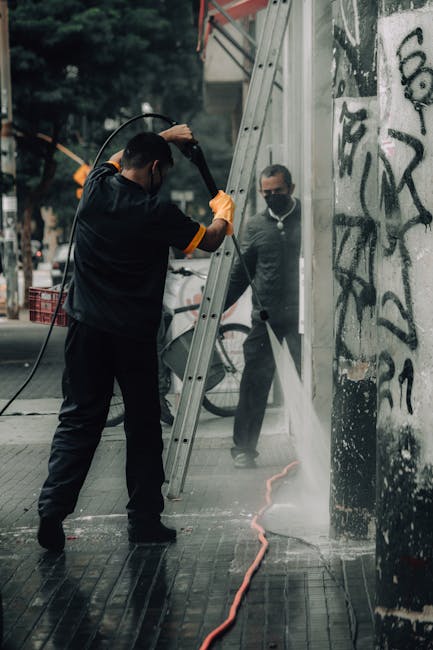
N1 is a busy part of London. That alone changes the game. Streets can be narrow, parking can be tight, pedestrians are constant, and many buildings sit close to the public highway. In that setting, pressure cleaning is not just a question of water and force. It becomes a question of access, splash control, wastewater handling, noise, timing, and public safety.
Why does that matter so much? Because a pressure washer can move more than grime. It can move dirty runoff, loose mortar, paint flakes, algae, and even hidden debris into places you did not intend. On a public street, that runoff can create slip hazards or nuisance. Near doors, windows, and shared entrances, it can also cause complaints very quickly. Truth be told, most problems come from planning gaps, not from the cleaning itself.
It is also worth saying that "permit" does not always mean one single formal licence. Sometimes the issue is a street occupation requirement, a parking arrangement, a building manager's permission, or a restriction from a leaseholder or managing agent. Sometimes it is a health and safety issue rather than a pure legal one. And sometimes it is all of them at once. Bit annoying, yes, but manageable.
Expert summary: On N1 streets, pressure cleaning is usually less about the machine and more about controlling access, water, noise, runoff, and responsibility. If those four things are sorted early, the rest tends to go much more smoothly.
For properties that need ongoing upkeep, a broader cleaning plan may also help. Many clients pair pressure washing with patio cleaning, facade cleaning, or communal area cleaning so the site looks consistent and stays safer for foot traffic.
How Pressure cleaning permits and restrictions N1 streets Works
The basic process sounds simple. A technician inspects the surface, chooses a suitable pressure, prepares the area, then cleans the target surface with water, detergent if needed, and careful rinsing. In reality, on N1 streets, the process starts much earlier.
First comes the site check. You need to know whether the work takes place on private land, shared land, or directly beside a public street. That distinction matters because permissions and restrictions often change depending on ownership and access. For example, a front step in a block of flats may need permission from a managing agent, while a shopfront on a main road may need traffic and pedestrian protection measures.
Next comes the risk review. A responsible cleaner will think about the slope of the pavement, where wastewater will go, whether drains are nearby, how to stop overspray hitting cars or passers-by, and whether the surface can even tolerate pressure washing. Some materials, like delicate brickwork, ageing render, sanded pointing, or certain painted finishes, need a softer method. If not, the clean can do more damage than good. And nobody wants that sort of afternoon.
Then there is the actual restriction side. In many urban settings, pressure cleaning may be limited by:
- noise-sensitive hours, especially early mornings and evenings
- shared access routes such as entrances, alleys, or communal walkways
- parking or loading restrictions for equipment vehicles
- runoff control and drainage expectations
- occupancy rules for footpaths and pavement areas
- building management conditions for flats, estates, and commercial premises
If a site includes hard-wearing external surfaces, you may also want to combine the work with hard floor cleaning or window cleaning so the whole frontage is refreshed rather than just one patch.
Key Benefits and Practical Advantages
When pressure cleaning is planned correctly, the benefits are not just cosmetic. Yes, the surface looks better. That part is obvious. But the practical gains matter just as much.
- Improved safety: Algae, moss, and grime can make steps and paving slippery, especially after rain.
- Better first impression: A clean entrance or frontage makes a property feel cared for.
- Longer surface life: Removing dirt build-up can reduce wear and help you spot cracks or defects earlier.
- Faster turnover for businesses: For shops, offices, and rental properties, tidy externals support a more professional image.
- Reduced complaint risk: Careful scheduling and runoff control reduce friction with neighbours and passers-by.
There is also a less obvious benefit: confidence. Once you know the permissions and restrictions are handled, the job becomes much less stressful. You stop second-guessing every hose, cone, and broom. That matters, especially for managing agents and business owners who already have enough moving parts to juggle.
For landlords and property managers, pressure cleaning can sit neatly alongside end of tenancy cleaning or move out cleaning when a property needs a proper reset before new occupants arrive.
Who This Is For and When It Makes Sense
This topic matters to more people than you might think. If you live, work, manage, or let property in N1, pressure cleaning restrictions can affect you even if you never touch the equipment yourself.
Homeowners and tenants may need to check permissions before cleaning front paths, small driveways, garden walls, or shared entrances. If water or debris could reach the pavement, you should not assume you can just crack on.
Landlords and managing agents often need to think about communal access, resident safety, and the condition of shared surfaces. In blocks and estates, the clean may need to be scheduled around residents coming and going. One resident with a buggy, one delivery driver, one wet surface - that is enough to make planning worthwhile.
Businesses such as cafes, shops, salons, offices, and small hospitality venues often need external cleaning for presentation and hygiene. But they also have to think about customer access, opening hours, and noise.
Builders and contractors may need pressure cleaning after renovation or outdoor works, but only after dust, debris, and paint risk have been considered. In some cases, after builders cleaning is the safer broader choice because the site usually needs more than a quick blast of water.
Event hosts and short-let operators sometimes want quick turnaround cleaning between bookings. In those situations, pressure cleaning can help with external presentation, though it should be timed carefully. For properties that need regular refreshes, airbnb cleaning or regular cleaning may support a more complete maintenance routine.
Step-by-Step Guidance
If you are trying to manage pressure cleaning on an N1 street, use a proper sequence. It sounds basic, but a decent sequence saves a lot of bother.
- Identify the exact location. Is it private land, shared access, or close to the public highway? The answer drives everything else.
- Check ownership and permission. Speak to the landlord, freeholder, managing agent, tenant, or business owner as needed.
- Review local restrictions. Look at pavement width, access routes, parking, loading limits, and any building rules.
- Inspect the surface. Flag loose pointing, flaking paint, fragile stone, soft render, or damaged joints before work begins.
- Plan water control. Decide where runoff will go and how to prevent it from flowing into places it should not.
- Protect people and property. Use signage, barriers, cones, and sensible exclusion zones.
- Choose the right pressure and cleaning method. Lower pressure or soft washing may be safer for delicate materials.
- Schedule for the quietest practical time. Mid-morning or early afternoon is often less disruptive than the edges of the day.
- Carry out the clean carefully. Keep an eye on splashback, pedestrians, windows, vehicles, and drains.
- Inspect the result. Check for streaking, damage, residue, or areas that need a second pass.
That last part is often skipped. Don't skip it. A five-minute walkaround can catch the kind of issue that becomes a long email chain later.
If the work is part of a larger upkeep plan, it can help to coordinate with house cleaning or deep cleaning inside the property so the exterior and interior feel aligned. Small thing, big difference.
Expert Tips for Better Results
In practice, the best pressure cleaning jobs in N1 are not the most aggressive ones. They are the most controlled ones.
Start lower than you think. Many surfaces respond better to a measured clean than to brute force. Cranking up the pressure because the stain looks stubborn is a classic mistake.
Test a small area first. A hidden patch near a wall or edge can show how the surface reacts. It takes minutes and can prevent visible damage.
Work with the water, not against it. Natural fall, gullies, and drainage paths should be part of the plan. If you are pushing dirty water uphill or across a crowded entrance, something is off.
Keep communication simple. Let neighbours, residents, or staff know what is happening and for how long. Most people are far more relaxed when they know what to expect.
Watch the weather. A damp morning, a sudden shower, or a cold snap can change how surfaces behave. On a grey London day, which is most days if we are honest, that matters more than people expect.
Use the right service pairing. Exterior cleaning often works better when matched with the right job. For example, patio cleaning suits outdoor paving, while gutter cleaning is a sensible add-on when runoff or debris from above might affect the frontage.
A small human note here: the calmest jobs I have seen were the ones where the team spent more time setting up than cleaning. A little patience at the start, a lot less drama later. Funny how that works.
Common Mistakes to Avoid
Most problems with pressure cleaning on N1 streets fall into a handful of avoidable traps.
- Assuming permission is obvious. It often is not. Shared entrances, forecourts, and pavements can sit in different ownership zones.
- Ignoring runoff. Dirty water going into the wrong place can create slip risk and complaints.
- Using too much pressure. This can scar masonry, lift paint, or drive water into joints.
- Working in the wrong hours. Early starts and late finishes may conflict with local expectations or building rules.
- Failing to protect passers-by. A bit of overspray on a busy walkway is not a minor detail; it is a hazard.
- Cleaning without a surface check. Damaged or fragile materials need a different approach.
- Forgetting waste management. Debris, sludge, or loosened material should be removed properly.
Another common one: people book the clean before they think through access. Then the van cannot park, the hose route is awkward, and the work gets squeezed into a space that should have been ruled out from the start. Not ideal. At all.
Tools, Resources and Recommendations
You do not need a giant toolkit to get this right, but you do need the right basics.
- Pressure washer with adjustable settings: Essential for tailoring force to the surface.
- Soft wash equipment: Useful where low-pressure cleaning is safer.
- Water containment and runoff control: Helps limit spread and protect drains or walkways.
- Cones, signs, and barriers: Important for pedestrian safety in shared areas.
- Surface-safe detergents: Helpful for organic staining, grime, and traffic dirt.
- Protective gear: Gloves, boots, and eye protection are basic good practice.
Useful planning resources on the website can also help you prepare for a cleaner, safer job. If you need to line up broader property maintenance, commercial cleaning may be relevant for business premises, while domestic cleaning may support internal upkeep when the outside has been refreshed.
If you are comparing service packages or trying to understand what a visit may include, it also helps to review pricing and quotes in advance. That way you are not guessing where the value sits. Nobody likes surprises in the invoice, let's face it.
Law, Compliance, Standards, or Best Practice
Pressure cleaning on N1 streets sits within a mix of legal duties, safety expectations, and local practical restrictions. The exact permissions you need can depend on where the work takes place and how it affects others. Because of that, it is wise to treat compliance as a live check rather than a one-time assumption.
In general UK practice, the important points are:
- Health and safety duties: Work should be planned so that workers, residents, and the public are not exposed to avoidable risk.
- Public access: Footpaths, entrances, and shared routes should remain safe and usable wherever possible.
- Environmental care: Dirty runoff, detergents, and debris should be controlled and not left to create nuisance.
- Property protection: Walls, seals, windows, and finishes should be protected from unnecessary damage.
- Permission and consent: Where the work affects common parts, leasehold areas, or managed buildings, the relevant approvals should be in place first.
Best practice is usually to document the job before it begins. A site note, a simple risk assessment, and a quick method statement can be enough for many routine cleans. That documentation helps if someone later asks, "Who approved this?" or "Why was it done that way?"
If you work in a managed setting, it can also be sensible to align cleaning with broader building policies such as health and safety policy, insurance and safety, and terms and conditions. That is especially useful where contractors are attending common parts or busy external areas.
For environmentally conscious sites, recycling and sustainability may also be relevant when waste, packaging, or disposal methods are being planned.
Options, Methods, or Comparison Table
Different surfaces and settings call for different approaches. Here is a straightforward comparison to help you choose a sensible method.
| Method | Best for | Advantages | Limitations |
|---|---|---|---|
| Standard pressure washing | Hard-wearing paving, concrete, some brick exteriors | Fast, effective on heavy grime | Can damage delicate surfaces if misused |
| Soft washing | Render, older masonry, sensitive finishes | Lower risk of surface damage | May need more dwell time and repeat attention |
| Targeted spot cleaning | Small stains or isolated problem patches | Useful for focused jobs and limited access | Not ideal for large areas or deep build-up |
| Full external clean with prep and protection | Commercial fronts, managed buildings, busy N1 locations | Best control over access and safety | Takes more planning and coordination |
There is no single "best" option. There is only the best option for that surface, that street, and that moment. A crowded N1 frontage at 8am is not the same as a quiet private courtyard at 2pm.
Case Study or Real-World Example
A property manager in N1 is looking after a small mixed-use building with ground-floor commercial units and flats above. The entrance paving has become slick with algae after a wet spell, and the shopfront is looking a bit tired. At first glance, pressure washing seems easy enough.
But once the team checks the site, the picture changes. The pavement is narrow, the main entrance is shared, deliveries happen in the morning, and the building has residents who leave and return throughout the day. There is also a slight slope on the paving, which means runoff could travel toward the doorway if the clean is rushed.
So the plan changes. The work is scheduled for a quieter window, the entrance is marked out, the water route is controlled, and a lower-pressure approach is used on the more delicate edges. The result is not just a cleaner surface. It is a safer, calmer job with fewer objections and no awkward "who said you could do that?" conversation.
That is the practical heart of Pressure cleaning permits and restrictions N1 streets. The clean matters, yes. But the planning around it is what makes it acceptable, safe, and worth doing.
Practical Checklist
Use this before any pressure cleaning job on an N1 street:
- Confirm whether the surface is private, shared, or adjacent to the public highway.
- Check who owns or manages the area and who must approve the work.
- Review local access, parking, and loading constraints.
- Inspect the surface for damage, fragility, or loose material.
- Identify where dirty water will go and how runoff will be controlled.
- Plan barriers, cones, and warning signs.
- Choose the right pressure level or soft wash method.
- Select a sensible time window that limits disruption.
- Notify residents, staff, or neighbours where appropriate.
- Carry out a final inspection after cleaning.
- Remove debris, residue, and temporary protection before leaving site.
Small but useful rule: if you are not sure whether something counts as a restriction, treat it like one until it is clarified. That habit prevents a lot of avoidable trouble.
Conclusion
Pressure cleaning in N1 is absolutely doable, but it works best when you treat permits, permissions, and restrictions as part of the job rather than an annoying extra. The cleaner the plan, the smoother the result. And in a busy London area, that means thinking about access, runoff, timing, neighbours, and the surface itself before a single jet of water is switched on.
Handled well, pressure cleaning can improve safety, make a property look cared for, and reduce long-term wear. Handled badly, it can create damage, delays, and very ordinary but very real headaches. The difference is usually planning, not power.
If you are getting ready to arrange external cleaning and want to keep things straightforward, it is worth talking to a team that understands both the practical side and the compliance side. A little clarity upfront saves a lot of back-and-forth later.
Get a free quote today and see how much you can save.
And if you are still weighing up what the property needs, start with the safest, cleanest option you can defend in daylight. That is usually the right answer.
Frequently Asked Questions
Do you need a permit for pressure cleaning on N1 streets?
Sometimes yes, sometimes no. It depends on whether the work affects the public highway, shared access, parking, or managed building areas. If the clean is entirely on private land and causes no public disruption, permission requirements may be simpler. If cones, vehicles, hoses, or runoff could affect pedestrians or the street, further approval is often needed.
What restrictions are most common on N1 streets?
The most common restrictions are around access, noise, parking, pedestrian safety, runoff, and working hours. In busy parts of N1, even a short job can become tricky if the pavement is narrow or the entrance is shared.
Can pressure washing damage brickwork or paving?
Yes. Too much pressure can erode mortar, damage older brickwork, lift coatings, or leave visible marks on paving. A proper inspection and the right method matter more than raw power.
Is pressure cleaning allowed on communal property?
Usually only if the managing party, landlord, or relevant authority has approved it. Communal areas can involve residents, leaseholders, and shared responsibility, so it is best not to assume permission.
What should I do about wastewater and dirty runoff?
You should plan for it before the work starts. Runoff should be controlled so it does not create slip hazards, nuisance, or drainage issues. If the area is sloped or close to a busy entrance, the plan needs extra care.
What time of day is best for pressure cleaning in N1?
Mid-morning to early afternoon is often the least disruptive, but the best time depends on the street, the building, and any local or site-specific restrictions. The main idea is to avoid peak movement and noisy edge hours where possible.
Should soft washing be used instead of pressure washing?
For delicate or older surfaces, yes, soft washing can be the better choice. It uses lower pressure and is less likely to damage fragile materials. It is not a one-size-fits-all answer, though.
Can I clean a front path or steps myself?
Potentially, but only if you are confident about safety, permissions, and water control. Many DIY jobs go wrong because the person doing them underestimates runoff, splashback, or surface sensitivity.
How do I know if my property needs professional help?
If the surface is large, shared, fragile, close to the road, or likely to affect neighbours, professional help is usually the sensible option. The same is true if you are unsure about permissions or compliance.
What is the safest way to plan a pressure cleaning job on a busy street?
Start with a site check, confirm permission, protect pedestrians, control runoff, and choose the mildest effective method. That order sounds simple because it is, and it works surprisingly well.
Are there any signs that pressure cleaning should not go ahead?
Yes. If the surface is already damaged, the area cannot be made safe, approval is missing, or the runoff cannot be controlled, the job should pause until those issues are resolved. Better a short delay than a messy problem.
What other cleaning services are often paired with exterior pressure cleaning?
Depending on the property, people often combine it with facade cleaning, patio cleaning, office cleaning, or communal area cleaning for a more complete finish.