Rug Cleaning in Islington
If you are looking for rug cleaning in Islington, you are probably dealing with a rug that has seen everyday life up close: muddy shoes from the street, drink spills after a dinner gathering, pet hair, winter grit, or just years of dust settling into the fibres. In a busy part of North London like Islington, rugs do a lot of work in family homes, flats, shared houses, offices, shops, and hospitality spaces. They bring warmth and style, but they also collect dirt faster than many people expect. A proper cleaning service can restore freshness, improve appearance, and help protect the rug for longer.
Islington homes and businesses are varied, and that matters when it comes to rug care. A delicate Persian rug in a period terrace near Canonbury needs a different approach from a hard-wearing hallway runner in a maisonette around Angel, or a large contemporary rug in a workspace near Clerkenwell. The right cleaning method depends on the fibre, dye stability, backing, condition, and how the rug is used. That is why a local, practical service is useful: it is tailored to the real conditions of your rug and your property, not treated as a one-size-fits-all job.
Whether your rug needs routine refreshment, deep soil removal, stain treatment, or help after a spill, professional rug cleaning services can make a noticeable difference. If you are comparing options, this page explains what is included, how the service works, what affects pricing, how to prepare, and why working with a local team in Islington can be the easier choice for households and commercial premises alike. Contact us today to discuss your rug and request a free quote.
Why Rug Cleaning Matters in Islington
Rugs often sit at the centre of the home. They soften a room, define a living space, and can be valuable in both financial and sentimental terms. In Islington, where many properties combine style with practical living, rugs are exposed to a lot of daily activity. Narrow hallways, busy kitchen-diners, and compact living rooms mean people walk across rugs frequently, sometimes with outdoor dirt still on shoes. Even when a rug looks fine on the surface, particles can become embedded deep in the pile.
Professional cleaning is about more than appearance. Fine grit can act like sandpaper inside the fibres, gradually wearing them down. Food spills can leave sticky residues that attract more dirt. Pet accidents can affect not only the visible fibres but also the backing and underlay. Regular rug care helps prevent these issues from becoming more serious. It can also improve the feel underfoot, remove stale odours, and brighten the colours so the rug looks more like itself again.
For many local customers, rug cleaning in Islington is also about convenience. Not everyone has space to wash or air a large rug at home, and many older or handmade rugs should never be cleaned casually with household products. A reliable service can assess the rug properly and use the right technique for the material, whether that means careful fibre-specific treatment, controlled moisture, stain pre-treatment, or specialist attention for delicate pieces.
Types of Rugs We Commonly Clean
Every rug has different construction, texture, and cleaning needs. A professional local service should be able to handle a broad range of items while explaining what is suitable for each one. This is particularly important in Islington, where properties often contain a mix of modern décor, antique furnishings, and practical family pieces. The aim is always to clean effectively while protecting the rug’s condition.
Common rug types include:
- Wool rugs – popular for durability and warmth, but they need careful moisture control.
- Silk and silk-blend rugs – delicate and often requiring specialist handling.
- Persian and Oriental rugs – often handwoven, with dyes and fibres that need testing and precision.
- Flatweave rugs – practical and stylish, but still prone to dirt build-up.
- Synthetic rugs – durable, yet they can trap oily residue and odours.
- Shaggy and deep-pile rugs – comfortable, but they hide dust and debris well.
- Runner rugs – especially common in hallways and stairs, where dirt is concentrated.
H4: What a specialist looks for before cleaning
Before any rug cleaning begins, a good technician will consider the fibre content, weave, size, dye stability, backing material, age, and the type of staining present. This assessment helps avoid unnecessary damage and ensures the rug is cleaned in a suitable way. For instance, a rug with natural dyes may need patch testing. A rug with a latex backing may require a different drying strategy. A rug that has been stored damp may need extra care before normal cleaning can even begin.
Not all marks are the same, and not all rugs respond the same way. That is why careful inspection is one of the most important parts of the service.
What Our Rug Cleaning Service Includes
When customers book rug cleaning in Islington, they usually want clarity about what is included. A professional service should be transparent and practical, focused on restoring the rug as safely as possible. While every rug is different, the process generally follows a structured approach designed to remove dirt, tackle stains, and leave the item clean, fresh, and ready to use again.
Typical service steps include:
- Initial inspection – we identify the rug type, note any damaged areas, and assess stains or odours.
- Dust and dry soil removal – loose debris, grit, and embedded particles are lifted out before wet cleaning.
- Pre-treatment – targeted solutions are applied to spots, traffic lanes, and problem areas.
- Deep cleaning – the rug is cleaned using a method suitable for its fibre and condition.
- Rinse or extraction – residues are removed so the rug is not left sticky or dull.
- Drying – controlled drying reduces the risk of shrinkage, odour, or fibre distortion.
- Final inspection – the result is checked so the rug is ready for return or placement.
Important: some stains, such as bleach marks, dye transfer, or long-set chemical damage, may not be fully reversible. A reputable service will explain this honestly before proceeding. That kind of honesty is valuable, especially when the rug is expensive or sentimental.
Many customers also ask about deodorising and sanitising. These can be useful where rugs have been affected by pets, spills, or long-term closed-window living. However, the right treatment depends on the rug material and the type of odour present, so it should always be handled with care rather than using strong household chemicals.
How Rug Cleaning Works for Local Homes and Businesses
Islington has a wide mix of property types, from Georgian and Victorian terraces to modern apartment buildings, converted flats, studio spaces, independent shops, cafés, offices, and community venues. That variety means rug cleaning needs to be flexible. A local service should understand how to work around building layouts, stairs, limited lift access, entry controls, and parking restrictions that can affect collection or on-site work.
For residential customers, convenience is often the top concern. Some people want a rug collected and returned after cleaning. Others prefer on-site assessment and treatment for smaller items. Large rugs may need removal for cleaning elsewhere, especially if space is tight. In homes with children or pets, quicker drying and reduced disruption matter as much as the cleaning itself. A local team familiar with Islington can often plan more efficiently because they understand typical access challenges and the pace of the area.
Commercial customers have different priorities. Offices want rugs to be cleaned without disrupting staff. Restaurants and hospitality spaces need fresh presentation and practical scheduling. Retail premises and showrooms often rely on rugs to create atmosphere, so staining or flattening can affect the whole space. For businesses, the service needs to be organised around opening hours, footfall, and the type of rug in use.
H3: Why local knowledge helps
Local knowledge matters because it saves time and avoids avoidable complications. In busy parts of Islington, parking can be limited and access can be tight. Lift availability may vary in apartment blocks. Some streets are better suited to short visits, while others require careful planning. A local rug cleaning service is better placed to account for these practical details from the start, which makes the process smoother for the customer.
Common Rug Problems We Help With
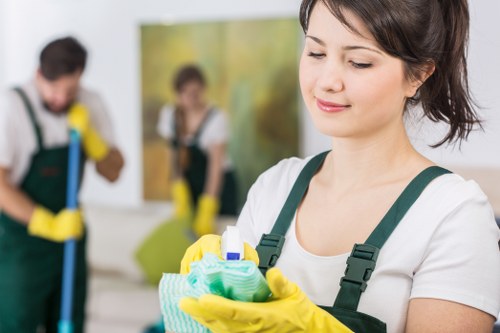
People usually contact a rug cleaning service when a problem becomes visible, but the underlying issue is often building up over time. Dust, spills, pet activity, and foot traffic all leave traces. A thorough cleaning can address many of the everyday problems that make a rug look tired or feel less pleasant in the room.
Typical issues include:
- General grime and dullness from regular use.
- Food and drink spills that leave marks or sticky patches.
- Pet hair and pet odours that become trapped in the pile.
- Traffic lanes in hallways and living spaces.
- Mud and outdoor dirt brought in from the street.
- Dust build-up in thick or shaggy rugs.
- Old stains that need careful pre-treatment.
- Flattened fibres that make the rug look worn.
A good cleaning process will not only target the visible mark but also remove the residues that continue to attract dirt. That is why surface wiping alone is rarely enough. Deep cleaning gets into the pile and helps the rug stay cleaner for longer.
H3: Stains and fibres need different approaches
It is important to understand that a coffee stain on a wool rug is not treated the same way as a wine spill on a synthetic runner or a pet accident on a handwoven piece. Some stains respond well to targeted treatment, while others need multiple steps. Similarly, fibre type affects how much moisture can be used and how quickly the rug should dry. That is why a proper inspection is central to the service.
Why Choose a Local Rug Cleaning Company in Islington
Choosing a local company for rug cleaning in Islington offers several practical advantages. It is easier to arrange collection or access, easier to communicate about your property, and easier to get support that reflects local living conditions. When a service is based nearby or regularly works in the area, it is usually better prepared for the realities of North London properties.
Local benefits include:
- Faster response times for enquiries and bookings.
- Better understanding of flats, terraces, and mixed-use buildings.
- More practical scheduling around busy roads and access restrictions.
- Experience with the kinds of rugs common in local homes and businesses.
- Clearer communication about collection, drying time, and return arrangements.
Another benefit is consistency. A local team is more likely to build a service around repeat customers, regular maintenance, and practical results. If you need carpet care later, upholstery cleaning, or another rug refresh in the future, it is useful to have a service provider who already understands your property and preferences.
When people look for rug cleaning services, they often want more than a machine and a cleaning product. They want someone who knows how to handle a valuable item carefully, who can explain the process clearly, and who will respect the home or business premises. That is especially important where rugs are handmade, antique, or part of a carefully styled interior.
What to Do Before Your Rug Is Cleaned
A little preparation can make the appointment smoother and help protect your rug. You do not need to do anything complicated, but a few simple steps can help the team work efficiently and safely.
Preparation checklist:
- Remove small items, ornaments, and furniture from around the rug if possible.
- Vacuum lightly if advised, but do not scrub stains into the fibres.
- Point out any known marks, spills, or areas of concern.
- Tell the team about pets, allergies, or sensitivities if relevant.
- Share any information you have about the rug’s age, material, or previous cleaning.
- Keep the route clear if the rug needs to be collected from a flat or upper floor.
If the rug has a history of colour bleeding, damage, or previous repairs, mention this in advance. It helps the cleaner choose the safest approach. If you are not sure what the rug is made from, that is fine too; an experienced technician can usually identify the fibre during the inspection.
Tip: If you have a spill, blot it gently rather than rubbing it. Rubbing pushes the liquid deeper into the fibres and can spread the mark. Avoid using strong household stain removers unless you know they are safe for the rug material.
Pricing Factors for Rug Cleaning
Many customers understandably want to know what affects the cost of rug cleaning in Islington. While exact prices depend on the provider and the rug itself, there are several common factors that influence the quote. Understanding these helps you compare services fairly and avoid confusion later.
Pricing is usually shaped by:
- Rug size – larger rugs need more time, product, and drying space.
- Fibre type – delicate or specialist fibres require more careful treatment.
- Construction – handwoven, tufted, or backed rugs may need different methods.
- Condition – heavy soiling or neglected rugs take longer to restore.
- Stain severity – some spots need targeted pre-treatment or repeat work.
- Collection and return needs – logistics can affect the overall service structure.
- Urgency – tight deadlines may require a more flexible schedule.
It is wise to request a clear quote that explains what is included. That way, you can see whether the service covers inspection, cleaning, stain treatment, drying, and return arrangements. Transparent pricing is one of the simplest signs of a trustworthy company.
Keep in mind that a lower price is not always the best value if it means the rug is treated too aggressively or not cleaned thoroughly. A proper clean should aim to protect the rug as well as improve its appearance.
Rug Cleaning for Different Property Types in Islington
Islington’s property mix means no two jobs are exactly the same. A one-bedroom flat near Highbury Fields, a family home in Barnsbury, a shared townhouse in Angel, and a design-led office near Finsbury Park all present different challenges. Rug cleaning needs to fit around that variety rather than fighting against it.
In smaller flats, space is often limited. Rugs may need to be collected for off-site cleaning or treated carefully in place if the item and layout allow it. In larger homes, there may be more flexibility, but the rug may still be heavy, valuable, or difficult to move. In commercial premises, the schedule is usually the main concern, particularly if cleaning needs to happen before opening or after business hours.
Because of this variety, a local rug cleaning company should ask the right questions early on. Size, fibre, access, location, and the nature of the mark all matter. Customers appreciate a service that feels organised and responsive, especially when the rug is important to the look and feel of the room.
Areas covered around Islington
Rug cleaning services in Islington commonly cover nearby neighbourhoods and surrounding parts of North and Central London. This can include areas such as Angel, Barnsbury, Canonbury, Highbury, Holloway, Tufnell Park, Clerkenwell, Finsbury, and nearby streets and residential pockets where local access and parking may need to be planned carefully. Coverage may also extend to nearby commercial districts and mixed-use locations where rugs are used in public-facing spaces.
How Often Should Rugs Be Cleaned?
The right cleaning frequency depends on usage, fibre, and location. A lightly used decorative rug may only need periodic professional attention, while a hallway runner or family-room rug in a busy home may benefit from more regular care. Businesses with customer footfall may also need more frequent service to maintain a smart presentation.
As a practical rule:
- High-traffic rugs may need professional cleaning more often than decorative pieces.
- Homes with children or pets often require more frequent attention.
- Handmade or valuable rugs should be maintained carefully to preserve their condition.
- Commercial rugs should be reviewed based on footfall and visible wear.
Even when a rug does not look dirty, fine dust can still be present. Regular care helps reduce fibre wear and supports a cleaner indoor environment. It can also make vacuuming more effective between deep cleans.
What Makes a Good Rug Cleaning Result?
A strong result is not just about removing a stain. It is about restoring the overall feel and appearance of the rug while preserving its structure. The colours should look fresher, the pile should feel cleaner, and any odours should be reduced without leaving a harsh chemical trace. The rug should also be dried properly so it can be used again with confidence.
A good result usually means:
- Cleaner fibres with reduced dust and residue.
- Better colour clarity and a brighter overall look.
- Less visible staining where the mark was treatable.
- A fresher smell without overpowering fragrances.
- Careful handling that protects the rug’s shape and edges.
Note: Some older or more delicate rugs may not look brand new after cleaning, and that should not be expected. The aim is to clean safely, improve appearance, and help preserve the item. A professional service will always be honest about what is realistic.
Frequently Asked Questions
Can you clean delicate or antique rugs?
Yes, but they must be assessed properly first. Delicate and antique rugs often need specialist handling, gentle products, and controlled moisture. The cleaning method should always match the rug’s material and condition.
Do I need to move the rug before the appointment?
Not always. That depends on the service arrangement and the size of the rug. If it is easier for you to leave it in place, mention the room layout and access in advance so the team can advise on the best plan.
How long does drying take?
Drying time varies based on fibre type, thickness, cleaning method, ventilation, and weather. A well-cleaned rug should be dried properly before it is used again. Your cleaner should explain the expected timeframe for your specific item.
Can pet odours be removed?
In many cases, yes, especially if the rug is treated promptly and the odour has not caused permanent damage. The outcome depends on how deep the contamination has gone and what the rug is made from.
Will every stain come out?
No professional service should promise that every stain will disappear. Some marks are permanent or partially permanent, especially if they involve bleach, dye transfer, or old chemical damage. A trustworthy cleaner will explain the likely outcome before starting work.
Do you clean rugs for businesses as well as homes?
Yes. Commercial rug cleaning is often important for offices, hospitality venues, retailers, and other premises that want to maintain a smart and hygienic appearance.
Book Rug Cleaning in Islington
If your rug is looking tired, holding onto odours, or showing signs of everyday wear, now is a good time to arrange professional help. The right cleaning service can save you time, reduce stress, and help protect a rug that matters to your home or business. Whether you need a single heirloom piece cared for with extra attention or several rugs cleaned as part of regular maintenance, a local team can make the process straightforward.
Request a free quote if you want clear advice on your rug type, likely cleaning method, and the practical steps involved. If you are ready to move ahead, book your service now and get your rug assessed by a local specialist familiar with Islington properties, access issues, and the needs of both residential and commercial customers.
For reliable rug cleaning in Islington, choose a service that treats your rug carefully, explains the process clearly, and works around your schedule.